
Build a practice plan you can actually repeat
Give the session a purpose without turning it into a checklist.
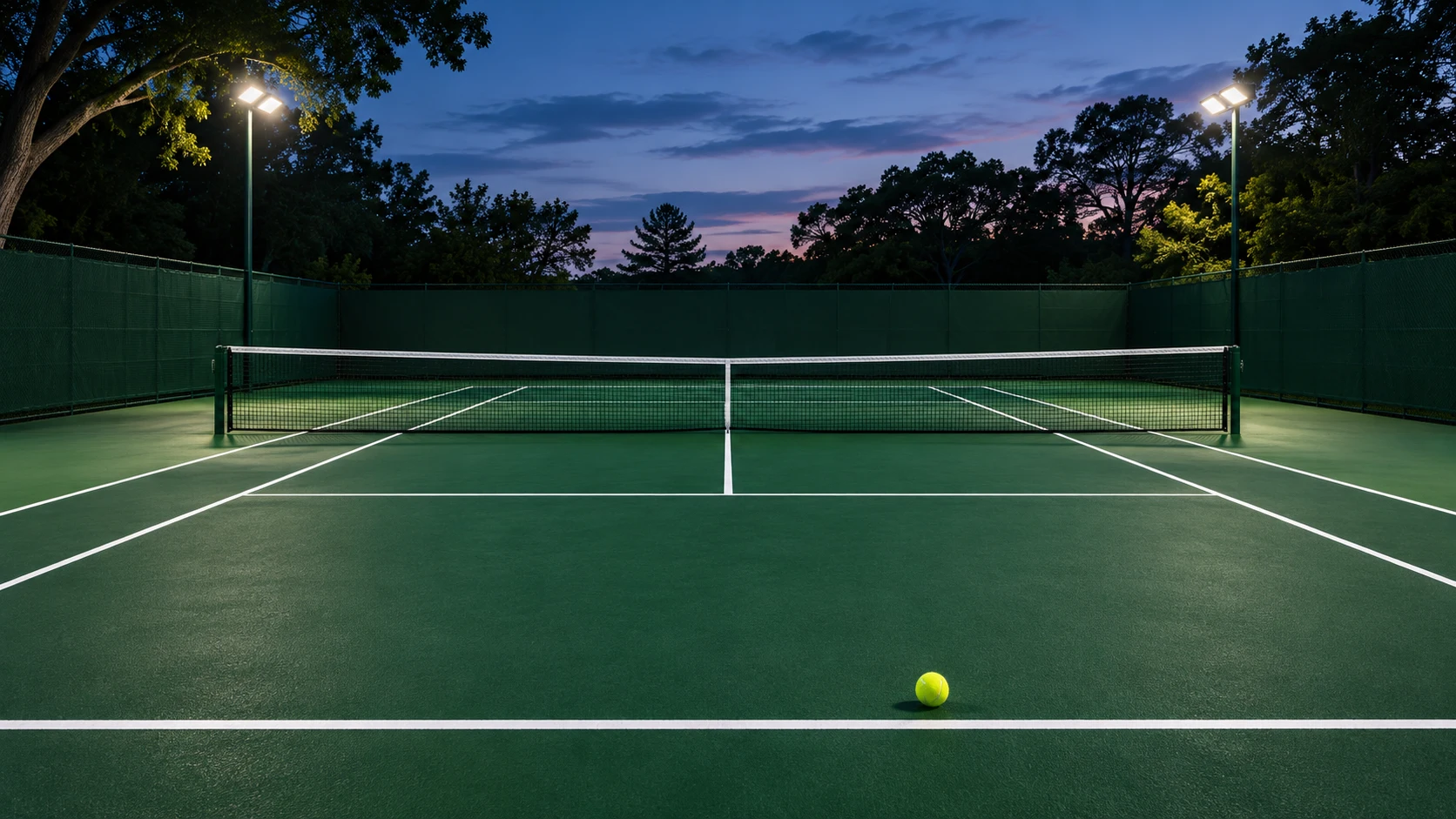
A practice plan can be short enough to fit on a note. It does not have to cover every stroke or predict how quickly your game will change. Its job is to give the session a clear purpose and make it easier to reflect on what happened.
Before a real session, consider the players involved, the court arrangements and the guidance appropriate to your experience. The outline below is a planning conversation, not an individualized training prescription.
Choose one useful question
Start with a situation you want to understand. “Can we keep a cooperative rally going?” is more specific than “I need to improve everything.” Other questions might concern choosing a target, feeling prepared for the next ball or communicating with a doubles partner.
Write the question in ordinary language. If you cannot explain what you are exploring, simplify it before adding more activities.
Agree the activity
Talk with your coach or practice partner about an activity that makes the question visible. Agree how it starts, what each person is trying to do and when you will pause to discuss it. Keep the format simple enough that organizing the activity does not become the main task.
A cooperative task and a competitive game can reveal different things. Choose the format deliberately rather than treating every practice point as a match result.
Record an observation
After an activity, distinguish what you noticed from what you are assuming. “Our rally ended when we both tried to hit harder” is an observation you can discuss. “We never play well” is a broad judgment that offers less direction.
- What happened more than once?
- What felt clearer or less rushed?
- Which part of the activity was confusing?
- What would you like to ask a coach?
Leave room to adjust
The next session does not have to introduce a completely new theme. You might revisit the same question with a different target, partner or practice format. You might also decide that the question needs to change.
A brief record can help you remember why you chose the activity and what you want to explore next. It is a conversation aid, not evidence of guaranteed progress or a substitute for individual guidance.
The most useful plan is one you can understand, revisit and change when your experience gives you a reason to do so.
An original article for the fictional Baseline Motion Tennis academy. No playing improvement, competition result or coaching service is promised.